
TL;DR: Warmy is the most comprehensive email warmup platform, offering AI-driven warmup combined with deliverability monitoring and spam testing in one dashboard. Mailwarm is the simplest, most affordable option for solo founders and small teams just starting cold outreach. Instantly’s built-in warmup feature is best if you’re already using Instantly for cold email campaigns. Below, we compare 6 platforms by warmup methodology, monitoring depth, and pricing.
Executive Summary
A new email domain or a domain with low sending history is treated with suspicion by mail servers like Gmail and Outlook. Send too many emails too quickly from an unestablished domain, and a significant portion will land in spam folders regardless of how well-written your content is — damaging your sender reputation in ways that take weeks or months to fully recover from.
Email warmup tools solve this by automating a gradual sending pattern that mimics natural, trusted email behavior, building sender reputation before you launch real outreach or marketing campaigns at volume.
This guide compares the six leading email warmup tools in 2026.
Who This Guide Is For
- Businesses setting up a new domain or email address for cold outreach or marketing
- Sales teams running cold email campaigns who’ve noticed declining reply rates
- Marketers troubleshooting poor inbox placement on a new sending domain
- Agencies managing multiple client domains needing ongoing reputation monitoring
How Email Warmup Actually Works
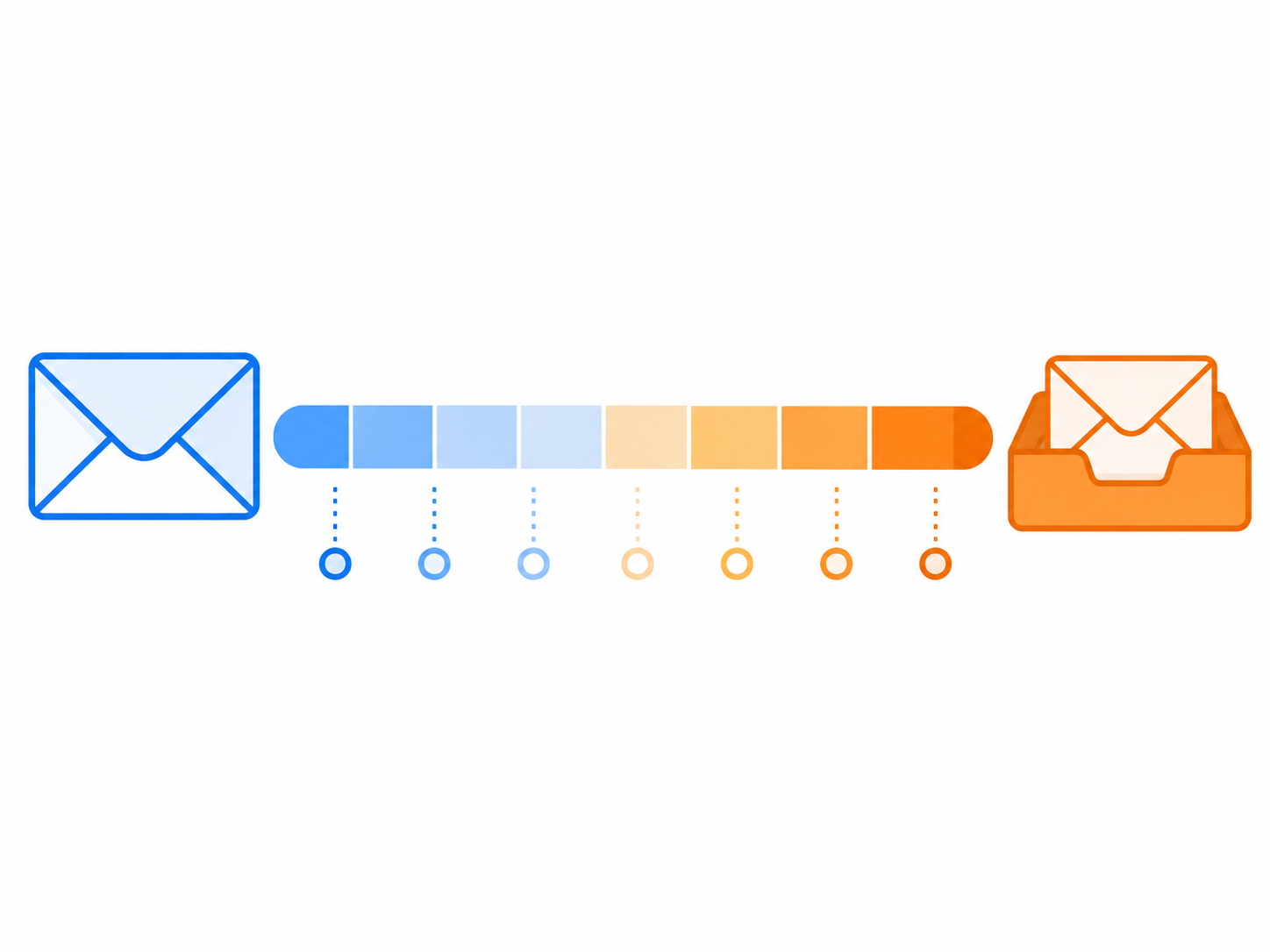
Warmup tools work by automatically exchanging emails between your account and a network of other real or simulated inboxes, then performing natural-seeming engagement actions:
- Opening the received email
- Replying to it
- Marking it as “not spam” if it lands in a spam folder
- Gradually increasing daily send volume over 2-6 weeks
This pattern signals to mail servers that your domain sends emails people genuinely want to receive and engage with — improving your sender score and inbox placement rate over time.
Quick Comparison Table
| Platform | Starting Price | Warmup Network Size | Best For |
|---|---|---|---|
| Warmy | $9/month | Large, AI-optimized | Most comprehensive features |
| Mailwarm | $35/month | Moderate | Simple, beginner-friendly |
| Lemwarm (Lemlist) | Included with Lemlist | Moderate | Lemlist users |
| Instantly Warmup | Included with Instantly | Large | Instantly cold email users |
| Folderly | $96/month | Large | Agencies managing multiple domains |
| QuickMail Auto-Warmer | Included with QuickMail | Moderate | QuickMail cold email users |
Warmy — Most Comprehensive
Warmy combines warmup automation with broader deliverability monitoring, spam testing, and inbox placement analytics in a single platform.
Strengths:
- AI-driven warmup that adjusts sending patterns based on real-time deliverability signals
- Built-in spam testing across major providers (Gmail, Outlook, Yahoo)
- Detailed sender reputation and domain health monitoring beyond just warmup
- Affordable entry pricing relative to feature depth
Limitations:
- Interface has more depth than some users need for simple warmup needs alone
- Advanced monitoring features require higher-tier plans
Pricing: Starts at $9/month per inbox.
Best for: Businesses wanting warmup plus ongoing deliverability monitoring in one tool.
Mailwarm — Best for Simplicity
Mailwarm focuses purely on the warmup function itself, without the broader monitoring features of more comprehensive platforms.
Strengths:
- Simple setup with minimal configuration required
- Straightforward pricing without confusing tiers
- Good choice for solo founders new to cold email
Limitations:
- Lacks the deliverability monitoring and spam testing of competitors like Warmy
- Higher price relative to feature depth compared to newer alternatives
Pricing: Starts at $35/month.
Best for: Solo founders and small teams wanting straightforward warmup without additional complexity.
Lemwarm — Best for Lemlist Users
Lemwarm is built into the Lemlist cold email platform, making it a natural choice if you’re already using Lemlist for outreach campaigns.
Strengths:
- Seamlessly integrated with Lemlist’s sending infrastructure
- No separate subscription needed if you’re already a Lemlist customer
- Automatic adjustment based on your actual sending patterns within Lemlist
Limitations:
- Not available as a standalone tool — requires a Lemlist subscription
- Less useful if you’re not using Lemlist for your actual campaigns
Pricing: Included with Lemlist subscriptions (from $39/month).
Best for: Existing Lemlist users wanting integrated warmup without managing a separate tool.
Instantly Warmup — Best for Instantly Users
Similar to Lemwarm, Instantly’s warmup feature is built into its broader cold email platform.
Strengths:
- Large warmup network specifically optimized for cold email sender patterns
- Integrated directly with Instantly’s campaign sending, simplifying setup
- Included at no additional cost within Instantly subscriptions
Limitations:
- Requires an Instantly subscription to access
- Less standalone flexibility if you use a different cold email platform for actual sending
Pricing: Included with Instantly subscriptions (from $37/month).
Best for: Businesses already using Instantly for cold email campaigns.
Folderly — Best for Agencies
Folderly targets agencies and businesses managing warmup and deliverability across multiple client domains simultaneously.
Strengths:
- Designed for managing multiple domains and inboxes from one dashboard
- Comprehensive deliverability auditing beyond just warmup
- Detailed reporting suited for client-facing deliverability reports
Limitations:
- Significantly higher price point than solo-focused alternatives
- More complexity than needed for a single domain or small business
Pricing: Starts at $96/month.
Best for: Agencies managing email deliverability across multiple client domains.
QuickMail Auto-Warmer — Best for QuickMail Users
QuickMail’s built-in auto-warmer functions similarly to Lemwarm and Instantly’s integrated approach, tailored to QuickMail’s own sending platform.
Strengths:
- Integrated directly with QuickMail’s campaign infrastructure
- Automatic warmup pattern adjustment based on actual sending behavior
- Included within existing QuickMail subscription cost
Limitations:
- Requires a QuickMail subscription to access
- Less relevant if you use a different platform for actual campaign sending
Pricing: Included with QuickMail subscriptions (from $49/month).
Best for: Existing QuickMail users wanting integrated warmup.
Standalone vs. Built-In Warmup Tools
| Factor | Standalone (Warmy, Mailwarm, Folderly) | Built-In (Lemwarm, Instantly, QuickMail) |
|---|---|---|
| Works across any email provider | Yes | Only with the parent platform |
| Additional subscription required | Yes | No, included with parent tool |
| Deliverability monitoring depth | Often more comprehensive | Usually warmup-only |
| Best for | Mixed sending tools, agencies | Single-platform cold email users |
How Long Should You Warm Up a New Domain?
| Domain Age/History | Recommended Warmup Period |
|---|---|
| Brand new domain | 4-6 weeks minimum |
| Existing domain, new email address | 2-3 weeks |
| Established domain, dormant for 3+ months | 2-3 weeks |
| Established domain, active sending history | Minimal warmup needed |
Important: Resist the temptation to skip or shorten warmup for a new domain. Sending high volumes immediately on an unestablished domain typically results in significant deliverability damage that takes longer to recover from than a proper warmup period would have taken in the first place.
Warmup Best Practices Beyond the Tool Itself
- Set up SPF, DKIM, and DMARC records correctly before starting warmup — authentication issues undermine warmup effectiveness entirely
- Avoid sending from multiple new domains simultaneously for the same campaign — stagger new domain launches
- Don’t combine warmup with live campaign sending on the same inbox during the warmup period — keep warmup traffic separate until reputation is established
- Monitor your sender score throughout warmup, not just at the end, to catch problems early
Frequently Asked Questions
Do I need an email warmup tool, or can I warm up manually?
Manual warmup (asking colleagues to email back and forth) is possible for very small scale but doesn’t scale efficiently and lacks the engagement pattern sophistication of dedicated warmup tools.
How much does email warmup typically cost?
Standalone tools range from $9-35/month per inbox, while platform-integrated warmup (Lemwarm, Instantly) is included within the cost of the parent cold email platform subscription.
Can I warm up multiple email addresses at once?
Yes, all platforms in this comparison support warming up multiple inboxes simultaneously, with pricing typically scaling per inbox or per domain.
Will email warmup guarantee my emails reach the inbox?
No tool guarantees inbox placement, since deliverability also depends on content quality, recipient engagement, and list hygiene. Warmup significantly improves your starting reputation but doesn’t override poor sending practices afterward.
How do I know if my domain needs warmup?
Brand new domains, dormant domains, or any domain experiencing declining open/reply rates and increasing spam folder placement are strong candidates for a warmup period.
Should I use warmup tools alongside regular marketing email sending?
Yes, particularly for newly established sending domains used for marketing campaigns, not just cold outreach — the same reputation-building principles apply to any email type.
Is built-in warmup (Lemwarm, Instantly) as effective as standalone tools?
Generally yes for the specific platform they’re built for, since they’re optimized around that platform’s actual sending infrastructure and patterns.
How quickly will I see deliverability improvement after starting warmup?
Most users see measurable improvement within 2-3 weeks of consistent warmup activity, with full reputation establishment typically taking the full 4-6 week recommended period for new domains.
Final Verdict
For most businesses, Warmy offers the strongest combination of warmup automation and broader deliverability monitoring at an accessible price point. If you’re already using Lemlist, Instantly, or QuickMail for cold email campaigns, their built-in warmup features eliminate the need for a separate tool entirely. Agencies managing multiple client domains should consider Folderly for its multi-domain management capabilities.
Whichever tool you choose, don’t skip the warmup period for a new sending domain — the weeks invested upfront protect significantly more time and revenue than a rushed launch followed by deliverability recovery efforts.
Pricing reflects publicly available rates as of mid-2026 and may change. Verify current pricing directly with each provider.