
TL;DR: VWO remains the strongest all-around A/B testing platform for ecommerce, balancing visual editor ease with statistical rigor. Convert Experiences specializes in privacy-compliant testing without third-party cookies. Intelligems is purpose-built specifically for Shopify pricing and promotion testing. Below, we compare 7 platforms by testing depth, ecommerce-specific features, and pricing.
Executive Summary
Since Google Optimize was discontinued, ecommerce businesses have needed to choose among dedicated paid A/B testing platforms rather than relying on a free Google-provided tool. This shift has actually improved the overall testing landscape for serious optimization programs, since dedicated platforms generally offer deeper statistical rigor and ecommerce-specific testing capabilities than Optimize ever provided.
This guide compares the seven leading A/B testing platforms suited to ecommerce optimization in 2026.
Who This Guide Is For
- Ecommerce businesses running structured conversion rate optimization programs
- Marketers wanting to test pricing, promotions, or page layout changes systematically
- Teams that relied on the now-discontinued Google Optimize and need a replacement
- Shopify stores wanting native testing integration for pricing and merchandising
Quick Comparison Table
| Platform | Starting Price | Ecommerce-Specific Features | Best For |
|---|---|---|---|
| VWO | $314/month | Good | Best overall balance |
| Optimizely | Custom enterprise pricing | Strong | Large enterprise testing programs |
| Convert Experiences | $99/month | Moderate | Privacy-first, cookieless testing |
| Intelligems | $upon request | Strong, Shopify-native | Pricing and promotion testing |
| AB Tasty | Custom pricing | Strong | Personalization plus testing |
| Kameleoon | Custom pricing | Strong | AI-driven personalization |
| Omniconvert | $167/month | Moderate | Mid-market ecommerce testing |
VWO — Best Overall Balance
VWO (Visual Website Optimizer) offers a strong combination of visual ease-of-use and statistical testing rigor suited to most ecommerce optimization programs.
Strengths:
- Intuitive visual editor for building test variations without developer involvement for most changes
- Strong statistical engine with Bayesian and frequentist testing options
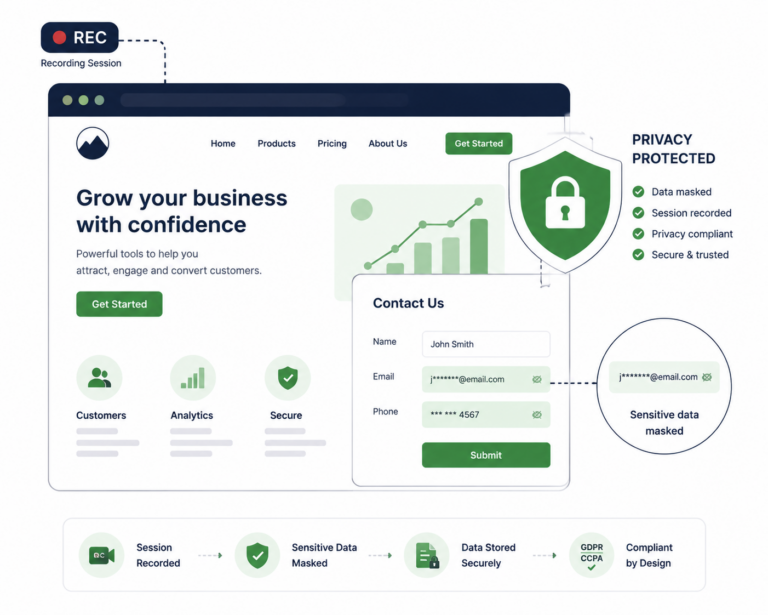
- Good heatmap and session recording features bundled alongside testing capability
Limitations:
- Pricing increases meaningfully at higher traffic volumes
- Some advanced personalization features require higher-tier plans
Pricing: Starts at $314/month for the Growth plan.
Best for: Ecommerce businesses wanting a strong, well-rounded testing platform without enterprise complexity.
Optimizely — Best for Large Enterprise Testing Programs
Optimizely remains the most established enterprise-grade testing platform, particularly suited to large organizations running sophisticated, high-volume testing programs.
Strengths:
- Highly sophisticated experimentation infrastructure suited to complex, simultaneous test management
- Strong feature flagging capability extending beyond simple A/B tests into broader experimentation culture
- Robust statistical methodology trusted by large-scale technical teams
Limitations:
- Significant cost, generally inaccessible for small-to-mid ecommerce businesses
- Implementation complexity requires dedicated technical resources
Pricing: Custom enterprise pricing.
Best for: Large enterprises running sophisticated, high-volume experimentation programs.
Convert Experiences — Best Privacy-First Testing
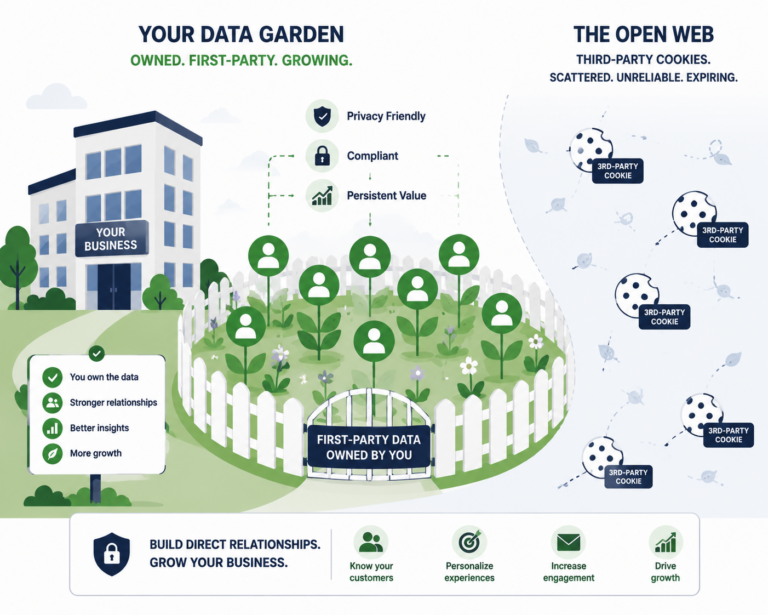
Convert Experiences specifically emphasizes privacy-compliant testing without relying on third-party cookies, appealing to privacy-conscious ecommerce brands.
Strengths:
- Cookieless testing approach reduces privacy compliance complexity
- Strong integration with major ecommerce platforms
- Good value relative to enterprise-tier competitors
Limitations:
- Smaller feature set for advanced personalization compared to Optimizely or Kameleoon
- Smaller market presence and community resources than more established competitors
Pricing: Starts at $99/month.
Best for: Privacy-conscious ecommerce brands wanting cookieless A/B testing.
Intelligems — Best for Pricing and Promotion Testing
Intelligems specializes specifically in Shopify pricing and promotion testing, a use case general-purpose A/B testing tools handle less elegantly.
Strengths:
- Purpose-built specifically for testing price points, shipping thresholds, and promotional offers on Shopify
- Native Shopify integration designed around merchandising-specific testing needs
- Simpler setup for pricing tests than adapting general-purpose testing tools
Limitations:
- Narrower focus than general-purpose platforms, less suited to broad UX/layout testing
- Custom pricing requires a sales conversation
Pricing: Custom, available upon request.
Best for: Shopify stores wanting to systematically test pricing, shipping thresholds, and promotional offers.
AB Tasty — Best for Personalization Plus Testing
AB Tasty combines A/B testing with broader website personalization capabilities, useful for ecommerce brands wanting both testing and ongoing personalized experiences.
Strengths:
- Strong personalization engine alongside core A/B testing functionality
- Good AI-driven recommendation features for product merchandising
- Solid enterprise-level reporting and segmentation
Limitations:
- Custom pricing requires a sales conversation, less accessible for smaller businesses
- More complexity than needed for businesses wanting simple testing alone
Pricing: Custom pricing.
Best for: Ecommerce brands wanting personalization capabilities unified with A/B testing.
Kameleoon — Best AI-Driven Personalization
Kameleoon emphasizes AI-driven personalization and testing, automatically optimizing experiences based on real-time visitor behavior patterns.
Strengths:
- Strong AI-driven personalization automatically adapting to visitor segments
- Good predictive targeting capabilities beyond standard A/B test structures
- Solid enterprise-level testing infrastructure
Limitations:
- Custom pricing positioned toward larger organizations
- Complexity may exceed needs for businesses wanting straightforward testing
Pricing: Custom pricing.
Best for: Ecommerce brands wanting AI-driven personalization alongside structured testing capability.
Omniconvert — Best for Mid-Market Ecommerce
Omniconvert targets mid-market ecommerce businesses specifically, offering a balance of testing capability and ecommerce-specific features at moderate pricing.
Strengths:
- Good balance of testing depth and ecommerce-specific segmentation
- Reasonable pricing relative to enterprise-tier alternatives
- Solid survey and feedback tools complementing core testing functionality
Limitations:
- Smaller feature set for advanced AI-driven personalization than Kameleoon or AB Tasty
- Smaller market presence than more established competitors
Pricing: Starts at $167/month.
Best for: Mid-market ecommerce businesses wanting solid testing capability at moderate pricing.
How to Choose the Right A/B Testing Tool
If you want the best overall balance: VWO.
If you’re a large enterprise with sophisticated testing needs: Optimizely.
If privacy compliance and cookieless testing matter most: Convert Experiences.
If you specifically want to test pricing and promotions on Shopify: Intelligems.
If you want personalization alongside testing: AB Tasty or Kameleoon.
If you’re a mid-market business wanting balanced functionality: Omniconvert.
What to Test First in Ecommerce A/B Testing
- Checkout flow friction points — form length, guest checkout options, payment method visibility
- Product page layout — image placement, review visibility, add-to-cart button prominence
- Pricing and shipping threshold display — how shipping costs and free shipping thresholds are presented
- Homepage hero messaging — value proposition clarity and primary call-to-action placement
- Promotional offer presentation — discount framing (percentage vs. dollar amount) and urgency messaging
Statistical Significance Best Practices
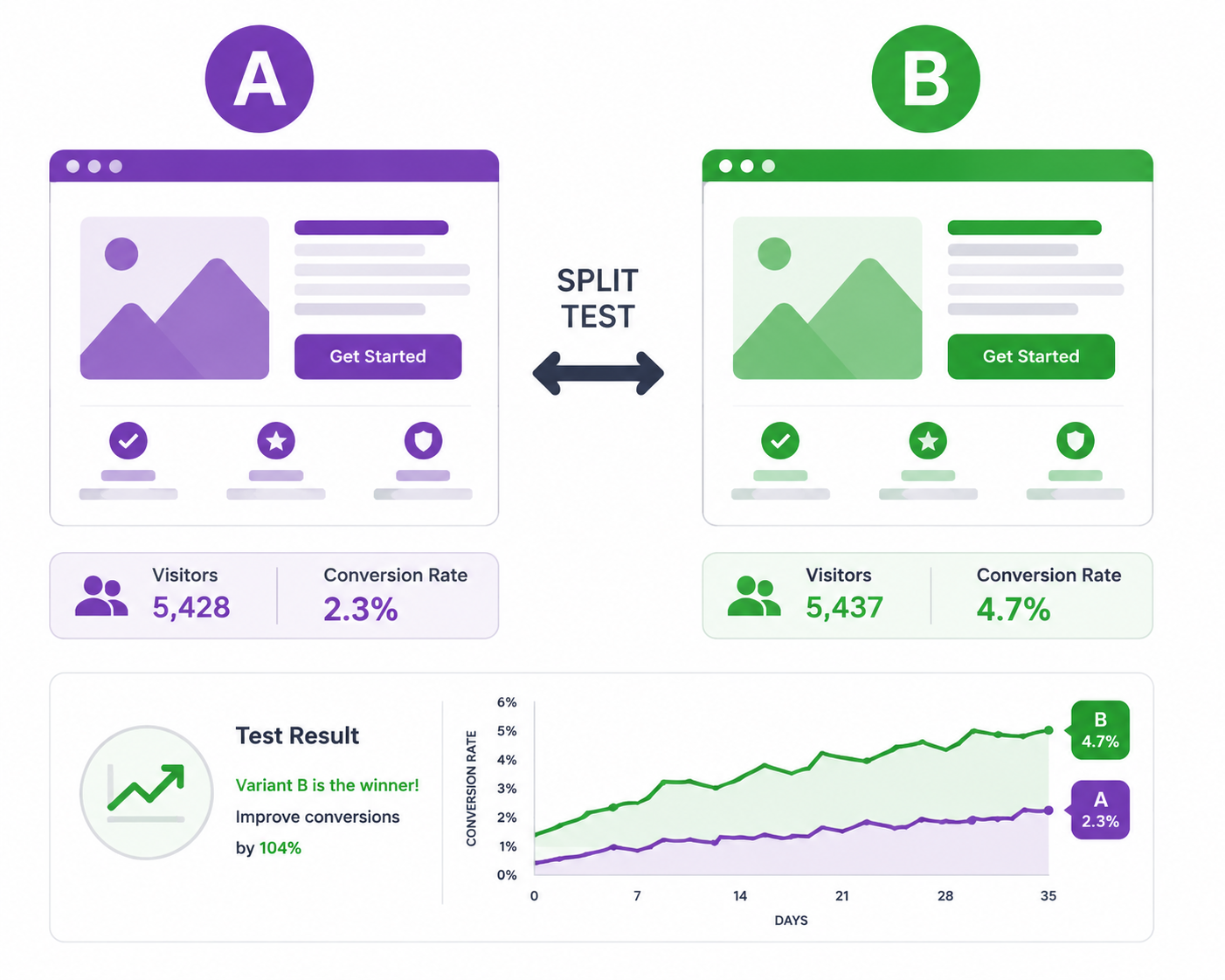
- Run tests long enough to reach statistical significance — typically requiring a minimum sample size calculated based on your current conversion rate and desired confidence level
- Avoid stopping tests early just because results look favorable partway through — this commonly leads to false positive conclusions
- Account for weekly traffic patterns by running tests for full week cycles, not partial weeks that might skew results
- Test one major variable at a time when possible, to clearly attribute results to a specific change rather than confounding multiple simultaneous changes
Frequently Asked Questions
What happened to Google Optimize, and why do I need a paid alternative now?
Google discontinued Optimize, requiring ecommerce businesses to migrate to dedicated paid platforms. This shift has generally improved testing capability for serious optimization programs, since dedicated tools offer deeper statistical rigor than Optimize provided.
How much traffic do I need before A/B testing becomes worthwhile?
Generally, sites need at least a few thousand monthly conversions on the page being tested to reach statistical significance within a reasonable testing timeframe — very low-traffic sites may need to run tests for extended periods to reach valid conclusions.
Is VWO good enough for a growing ecommerce store, or do I need Optimizely?
VWO is well suited to most growing and established ecommerce businesses. Optimizely’s additional sophistication and cost are typically only justified at genuine large enterprise scale with substantial simultaneous testing programs.
What’s the difference between A/B testing and personalization?
A/B testing compares variations to identify the best-performing version for all visitors, while personalization tailors experiences to specific visitor segments simultaneously — some platforms (AB Tasty, Kameleoon) combine both capabilities.
Can I test pricing changes without a specialized tool like Intelligems?
Technically yes using general-purpose testing tools, but Intelligems’ purpose-built Shopify pricing test infrastructure significantly simplifies the technical implementation compared to adapting general testing tools for pricing-specific use cases.
How long should a typical ecommerce A/B test run?
Most tests should run a minimum of 1-2 full weeks to account for weekly traffic pattern variation, continuing until reaching statistical significance based on your specific traffic volume and baseline conversion rate.
Is cookieless A/B testing as accurate as cookie-based testing?
Convert Experiences and similar cookieless approaches use alternative methods (session-based or server-side) that can achieve comparable accuracy while reducing privacy compliance complexity, though implementation specifics vary by tool.
Should small ecommerce stores invest in A/B testing tools, or focus budget elsewhere?
For stores with limited traffic, A/B testing tools may take too long to reach meaningful conclusions to justify the cost — focus on broader UX best practices first, introducing structured testing once traffic supports statistically meaningful test timelines.
Final Verdict
For most ecommerce businesses, VWO offers the strongest overall balance of testing capability, ease of use, and pricing. Large enterprises with sophisticated, high-volume testing programs should consider Optimizely, while Shopify stores specifically wanting to test pricing and promotional strategies will find Intelligems purpose-built for that exact use case.
Whichever platform you choose, prioritize testing checkout flow and product page friction points first — these consistently offer the highest-impact optimization opportunities for most ecommerce businesses, regardless of which testing tool you select.
Pricing reflects publicly available rates as of mid-2026 and may change. Verify current pricing directly with each vendor.